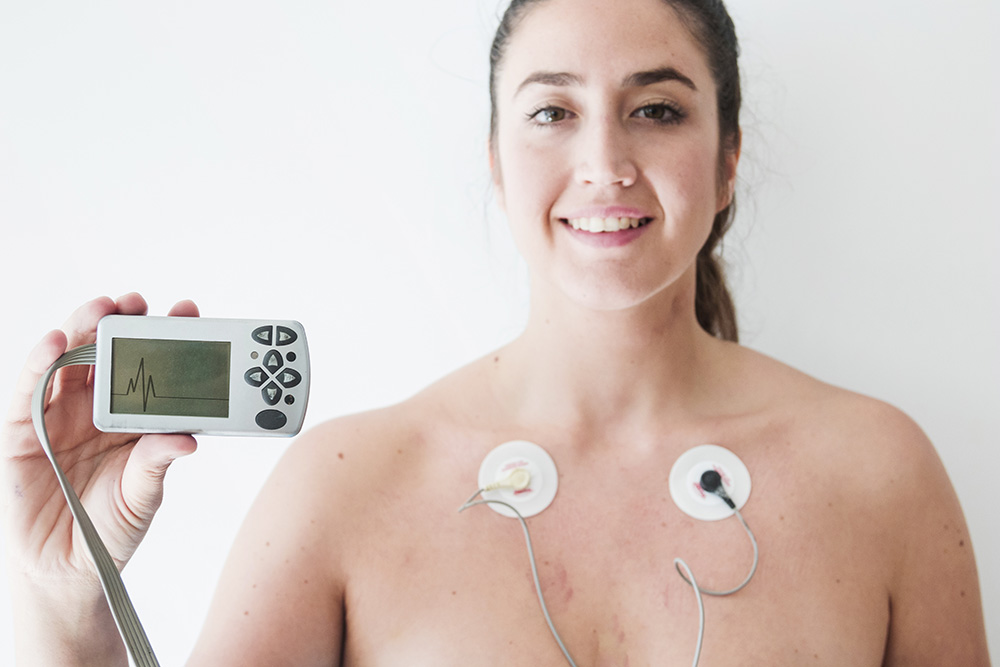
Holter monitoring is an essential diagnostic tool for identifying heart rhythm abnormalities that may occur intermittently. Unlike an in-clinic ECG, which captures only a few seconds of heart activity, a Holter monitor records continuously, revealing patterns and issues that otherwise go unnoticed.
Some of the rhythm conditions and abnormalities we assess include:
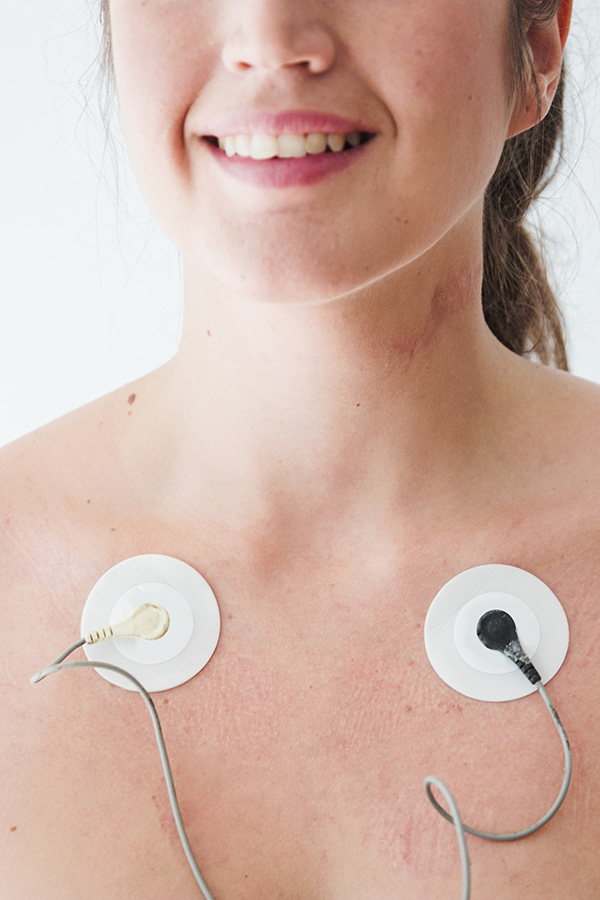
During the monitoring period, you will wear a small portable device connected to adhesive chest electrodes. You can continue normal daily activities while the device records your heart rhythm. Our clinical team will review the full recording to identify any abnormalities or triggers.
To ensure accurate results, we recommend following a few simple steps. Wear comfortable, loose-fitting clothing to allow for easy placement of the electrodes. Avoid applying lotions, oils, or creams to your chest, as these can interfere with the adhesive pads. Throughout the day, keep a diary of any symptoms you experience such as palpitations, dizziness, or shortness of breath, and note the activities you were doing at the time. Your clinician will let you know if any of your medications should be continued or temporarily adjusted before the test begins.
Holter monitoring is highly effective in detecting rhythm-related issues that occur unpredictably throughout the day. It can help uncover:
By analysing continuous data, this test provides clear insight into arrhythmias, conduction abnormalities, and heart rate variability,
supporting early diagnosis and tailored treatment planning.